
Low-Grade Punches to the Heart: Why Criticism Triggers Panic in Close Relationships
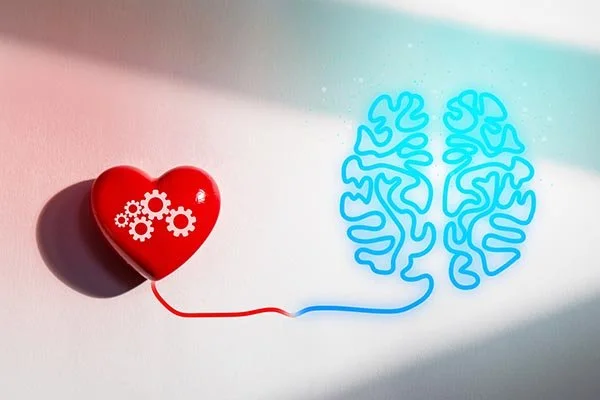
In close relationships, it's not usually the words that hurt most — it's what they awaken inside us. A simple critique or disappointed look can feel like an emotional earthquake. You might find yourself suddenly distant, angry, or spiraling into self-doubt, wondering why something so “small” triggered something so big.
You’re not alone. And more importantly, you’re not overreacting. This is your attachment system speaking — and Emotionally Focused Therapy (EFT) helps us listen to it with compassion.
The DLPFC and the Panic of Disconnection
Let’s begin with a little neuroscience. One part of the brain that helps regulate how we process emotional input is the dorsolateral prefrontal cortex (DLPFC). It allows us to reflect, regulate, and respond. It helps us hold onto our sense of self in emotionally charged moments.
But when you feel emotionally threatened — especially in close relationships — the DLPFC can go offline. Instead of reflection, the brain moves into protection. Criticism from a loved one doesn’t just register as a statement; it registers as a threat to the bond.
And that’s where panic can set in.
Attachment, Criticism, and the Fear of Being Left
In EFT, we understand that beneath most conflict is a deeper longing for connection. So when your partner criticizes you — even gently — you may not just hear, “You forgot to take out the trash.” You may feel, “You don’t care,” or even worse, “You could leave.”
Your attachment system is exquisitely tuned to any signs that love may be at risk. And if you’ve experienced emotional injuries in the past — whether through betrayal, neglect, or loss — your nervous system may be primed to over-respond to even minor relational stress.
These moments of criticism can land like low-grade punches to the heart, reviving old fears of rejection and abandonment. Not because your partner is dangerous, but because your bond matters that much.
The Cycle: Reactivity, Withdrawal, and Misattunement
What often follows is a pattern EFT therapists call the negative cycle: one person criticizes or pursues, the other defends or withdraws. Neither person feels understood, and both are acting from a place of pain.
But what’s really happening?
One partner is saying, “Do you still care about me?”
The other is saying, “This hurts too much to stay present.”
EFT helps you slow the cycle down so both people can actually hear what’s underneath: the longing, the fear, the hope for connection.
What EFT Can Do That Advice Can’t
Traditional communication advice might suggest using “I” statements or active listening. Those tools matter — but they don’t go deep enough when attachment is on the line.
In EFT, we help couples:
Identify the emotional triggers beneath criticism and withdrawal
Explore how early attachment injuries may be shaping present-day responses
Create new emotional experiences where vulnerability is met with responsiveness, not rejection
As emotional safety increases, the DLPFC is more likely to stay online. That means you can stay grounded, curious, and connected even when hard topics arise. It’s not about learning how to avoid conflict — it’s about learning how to stay connected inside of it.
You Can Learn to Feel Safe in Love Again
If you’ve felt overwhelmed by criticism or caught in painful patterns with your partner, it may be your attachment system asking for safety. EFT helps you find new ways to express that need — and to receive your partner’s need in return. Together, you can create a relationship where vulnerability isn’t something to fear, but something that deepens your bond. Our EFT-trained therapists can help.