

ERCEM Therapy: The Early Recovery Couples Empathy Model
Specialized Help For Couples In The Rawest Stage of Betrayal Recovery
The hardest, most fragile stage of healing
The weeks and months right after betrayal is discovered are the most painful — and the most delicate. The betrayed partner is often in acute trauma: flooded, hypervigilant, unable to trust a word. The partner who acted out is frequently caught in shame, fear, and defensiveness. It's the moment a couple most needs help, and historically it's the moment they were told to wait — to do months of separate, individual work before being seen together.
The Early Recovery Couples Empathy Model (ERCEM) was created to meet couples right here, in that early, raw stage — together, and safely.

What is ERCEM?
ERCEM is a trauma-informed model developed by Carol Juergensen Sheets ("Carol the Coach"), author of Help Her Heal and Help Them Heal. It was built out of a recognition that traditional approaches — which separate the couple and focus on the addict's individual recovery first — often left betrayed partners alone in their pain and missed the relational nature of the wound.
ERCEM does something different. It brings both partners into the work from the very beginning, in a structured way that keeps the betrayed partner safe while guiding the partner who acted out to do the heavy lifting of repair. The model rests on three essentials: empathy, ownership, and truth-telling.
How ERCEM works
ERCEM guides couples through the early stages of betrayal recovery with a clear, protective structure:
The partner who acted out carries the majority of the early work. Rather than asking the betrayed partner to "get over it," ERCEM coaches the one who caused the injury to lead the repair — building the empathy and accountability that make safety possible.
Safety for the betrayed partner comes first. The structure is designed to prevent the re-wounding that so often happens when couples try to talk about the betrayal without a skilled guide.
Couples build concrete skills: identifying and naming feelings, recognizing and "busting" triggers, communicating without escalation, and — most importantly — genuine empathy.
It moves through the stages of partner betrayal at a pace that honors the trauma, toward ownership, truth, and the possibility of real reconnection.
The goal isn't to rush past the pain. It's to make the early season survivable and productive — so the couple can stabilize, tell the truth, and decide their next steps from a solid foundation rather than in crisis.
Get Specialized Help For Early Betrayal Recovery.
Send Us A Message!
Certified ERCEM Therapists
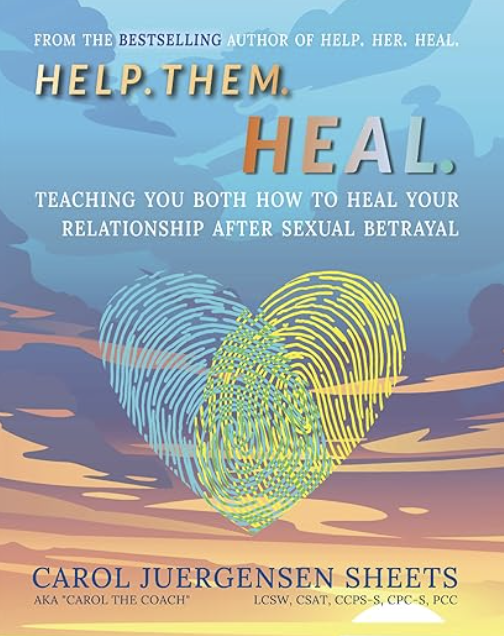
Tal and Teresa are listed among the certified ERCEM therapists in Carol Juergensen Sheets' Help Them Heal.
This is specialized work, and not every couples therapist is trained for it. Tal and Teresa Prince are both certified ERCEM therapists — among a small number of clinicians trained in the model — and they lead and equip our broader couples team to bring ERCEM into their work. Across our team, you'll find advanced training in sex addiction recovery (CSAT), partner betrayal trauma (through IITAP and APSATS), and the Gottman Method — so whoever you're matched with, couples in early betrayal recovery are met with the depth of training this stage requires.
Is ERCEM right for you?
ERCEM may be a strong fit if:
Betrayal — an affair, sexual betrayal, or the discovery of sex or pornography addiction — has recently come to light
You're both still in the relationship and want help navigating the early, volatile stage together
The betrayed partner needs to feel safe and heard, not rushed or managed
The partner who acted out is willing to take ownership and do the work of rebuilding trust
It pairs naturally with our broader work in infidelity and affair recovery, betrayal trauma therapy, and therapeutic disclosure. New to all of this? Our guide What Is Betrayal Trauma? is a good place to start.
Recent Posts

Common questions about ERCEM
What does ERCEM stand for?
ERCEM is the Early Recovery Couples Empathy Model — a trauma-informed approach for helping couples heal together in the early stage after betrayal, developed by Carol Juergensen Sheets.
How is ERCEM different from regular couples therapy?
Traditional models often separate the couple early on and prioritize individual recovery. ERCEM brings both partners into the work from the start, with a structure that keeps the betrayed partner safe and guides the partner who acted out to lead the repair through empathy, ownership, and truth-telling.
Who does most of the work in ERCEM?
The partner who acted out carries the majority of the early work. This protects the betrayed partner from being asked to manage their own trauma and shifts responsibility for rebuilding trust to where it belongs.
Do we have to stay together to do ERCEM?
ERCEM is designed for couples who want to work on the relationship in early recovery. If you're unsure whether to stay, discernment counseling can help you find clarity first.
Can we do ERCEM online?
Yes. We offer ERCEM in person in Birmingham and online across Alabama, and via telehealth in Florida.
Begin The Work — Together, and Safely.
If betrayal has recently surfaced and you want skilled help getting through this early stage, we're here.
ERCEM at Insights Counseling Center Birmingham
Specialized early-recovery couples work with certified ERCEM therapists after betrayal, in person in Birmingham and online across Alabama and Florida.
Address: 200 Cahaba Park Cir #214, Birmingham, AL 35242
Phone: (205) 903-6282