Blog

When Life Gets in the Way: How Couples Therapy Can Help Rekindle Intimacy
Seasons of distance and disconnection are normal in any relationship—but they don’t have to be permanent. This post explores how couples therapy helps partners rebuild emotional closeness, navigate life’s stressors together, and reawaken the intimacy that once felt out of reach. It’s not about going back—it’s about growing forward, together.

The Importance of Respectful Disagreement in Healthy Relationships
Disagreements are normal in any relationship. What matters is how you handle them. Learn how respectful conflict can actually bring you closer together—and how couples therapy can help.
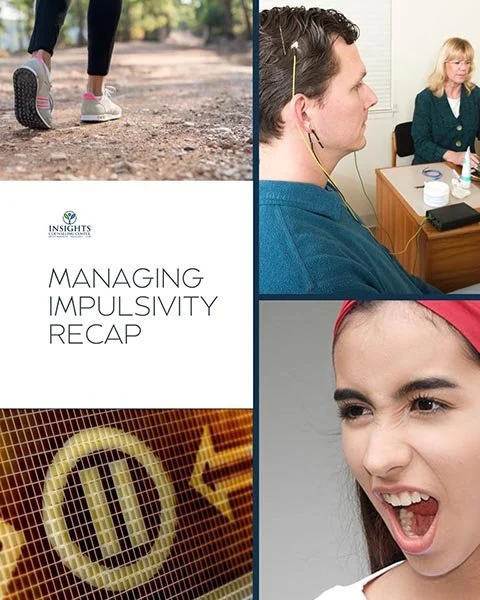
Managing Impulsivity: Series Recap
Explore the full Managing Impulsivity series in this recap post. Includes all 10 topics, journaling prompts, and a path toward emotional steadiness in every area of life.

React, Repeat, Regret: Breaking Impulsive Cycles in Families
Impulsive cycles in families are common—but they’re not permanent. Learn how family therapy and neurofeedback help everyone respond with more calm, connection, and intention.

Impulsivity and Identity: Guiding Teens Toward Wise Decisions
Teen impulsivity isn’t just rebellion—it’s a reflection of a brain still under construction. In this post, we explore why adolescence is a peak season for risky behavior, what’s happening neurologically, and how therapy and neurofeedback can help teens build emotional regulation, self-awareness, and values-based decision-making. Because the goal isn’t perfection—it’s growth.

Helping Kids Develop Impulse Control
Impulsivity in kids isn’t bad behavior—it’s a sign their regulation system is still developing. This post helps parents and caregivers reframe impulsivity as a skill that’s built over time, not demanded in the moment. Learn what impulsive behavior really means, why co-regulation matters more than correction, and how therapy—and neurofeedback—can support lasting change.

Rewiring the Pause: How Neurofeedback Helps Manage Impulsivity
Impulsivity is often rooted in brain dysregulation, not character. Learn how neurofeedback helps train your brain to pause, reflect, and respond with stability.

Impulsive Decisions vs. Thoughtful Choices at the Crossroads
When your relationship feels uncertain, impulsivity can take over. This post explores how slowing down helps couples move from confusion to clarity in Discernment Counseling.

Holding On vs. Lashing Out: How Attachment Shapes Impulse
When you feel emotionally unsafe, impulsive reactions often take over. This post explores how EFT helps couples soften, reach, and build new patterns of emotional connection.

When You’re Flooded: How to Pause Instead of Escalate
When you’re emotionally flooded, conflict often escalates. This post explores how the Gottman Method teaches couples to pause, regulate, and return to connection instead of impulsivity.

“I Don’t Care If I Ever Have Sex Again” – What This Really Means and Why It Matters
If sex feels like duty or you’ve lost desire, you’re not alone. Here’s how to address physical and emotional sexual needs and rebuild connection.

Impulse vs. Intention: Learning to Pause in Recovery
In sex addiction recovery, impulsivity often drives relapse. This post explores how to pause, slow down urges, and build daily rhythms that support long-term healing.

When Reactivity Is a Trauma Response
After betrayal, impulsive reactivity can feel like the only option. This post explores why trauma drives impulsive behaviors—and how stabilizing practices help you begin to heal.

How to Stop Saying Things You Regret
Impulsive words can damage connection in conflict. Learn how to recognize emotional flooding, pause with intention, and use Gottman tools to repair before regret takes over.

Repair That Lasts: Series Recap How Real Repair Rebuilds Safety, One Step at a Time
In this recap of our Repair That Lasts series, we explore how couples can heal after rupture—whether they stay together or not. Includes practical takeaways, journaling prompts, and next steps for building emotional safety through meaningful repair.

Can We Repair If We Might Still Leave?
Repair is possible—even when the relationship’s future is uncertain. This post explores how repair brings clarity and healing in the discernment process.

Repairing the Bond After Emotional Disconnection
Repair after disconnection starts with vulnerability. This post explores how EFT helps couples heal the bond and find their way back to closeness.

The Gottman Repair Checklist in Action
Gottman’s Repair Checklist is more than a script—it’s a relational lifeline. Learn how to use it in a way that builds safety, trust, and real connection.

Blending Isn’t Instant: How Therapy Supports Stepparents and Stepchildren in the Hard Work of Becoming Family
Blended families bring hope—and complexity. This post explores how therapy supports stepparents, stepchildren, and couples through the real-life challenges of building connection, navigating loyalty binds, and creating a new family culture. Whether you're just starting out or still finding your rhythm, relational healing takes time—and help. You're not behind. You're becoming.

Repairing After Relapse
Repair after relapse takes more than sobriety. This post explores how to rebuild safety and trust through consistent action and emotional honesty.